

All Insights
Commercial/Residential & Heritage
Diagnostech: Restoring a Failing Heritage Facade at Miramar Apartments
ACRA Award for Excellence 2012
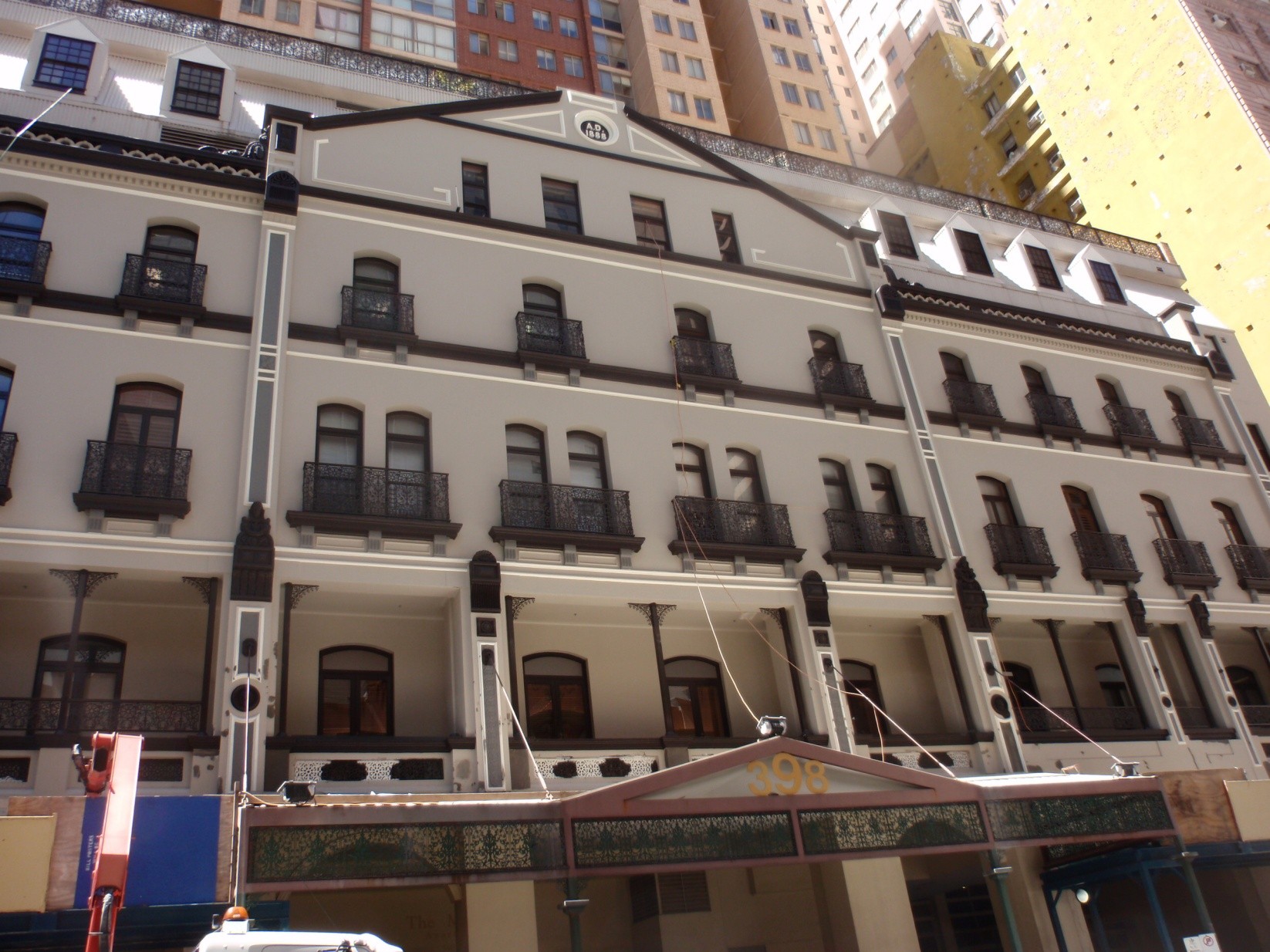
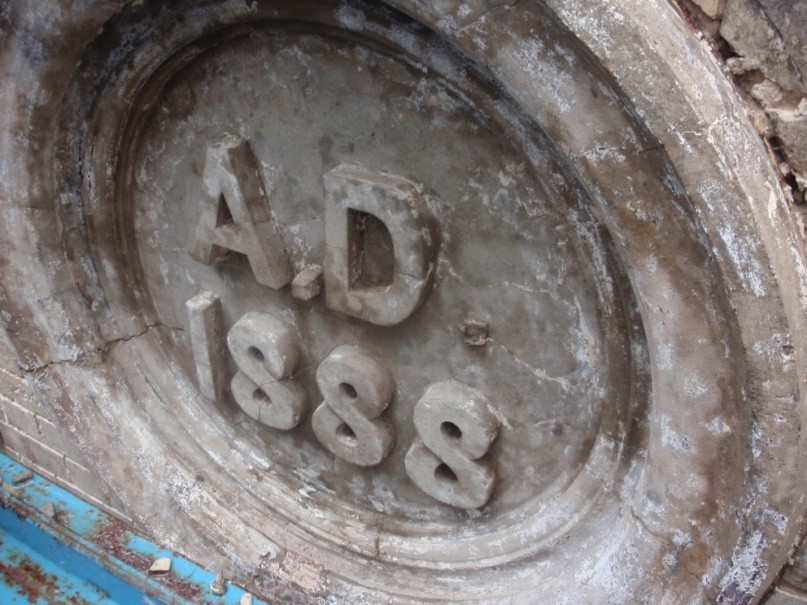
Originally part of a historic Sydney streetscape, Miramar Apartments at 398–408 Pitt Street features a heritage façade that was retained during redevelopment around 2000. While visually prominent, the façade concealed significant structural and material failures that posed serious risks to public safety and building occupants.
Following incidents of façade elements falling onto the street, urgent intervention was required. Diagnostech was engaged to reassess earlier investigations, uncover the true causes of deterioration, and deliver a comprehensive remediation strategy that balanced safety, performance, and heritage preservation.
Situation
The project originated from a critical safety issue, with sections of the heritage façade becoming unstable and detaching. Initial investigations by others had incorrectly diagnosed the root causes of failure, resulting in ineffective prior interventions.
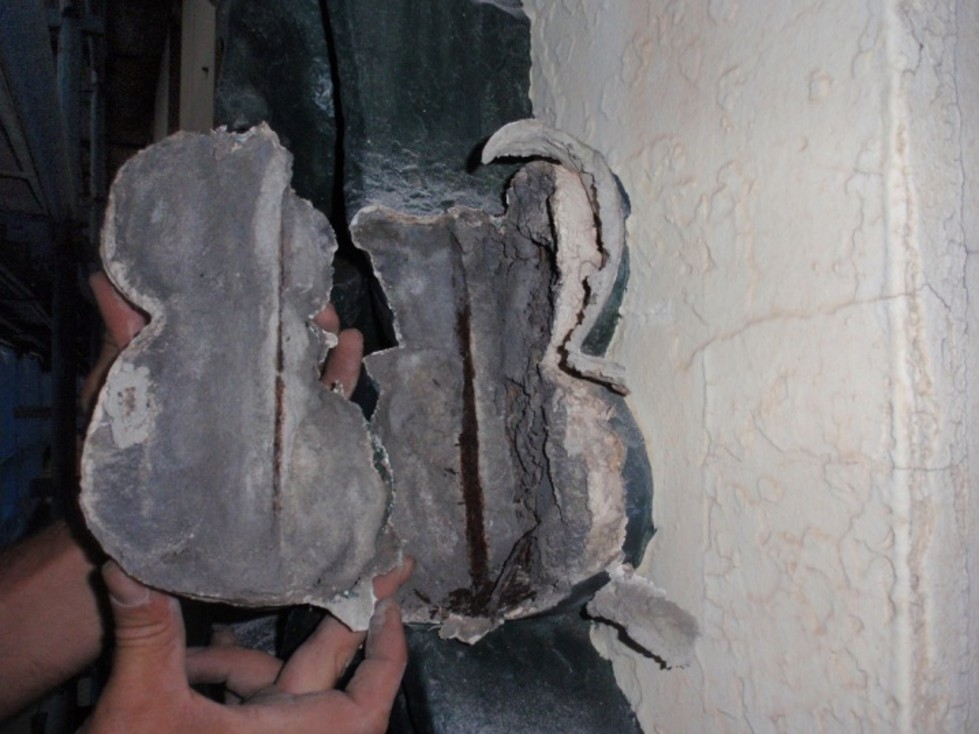
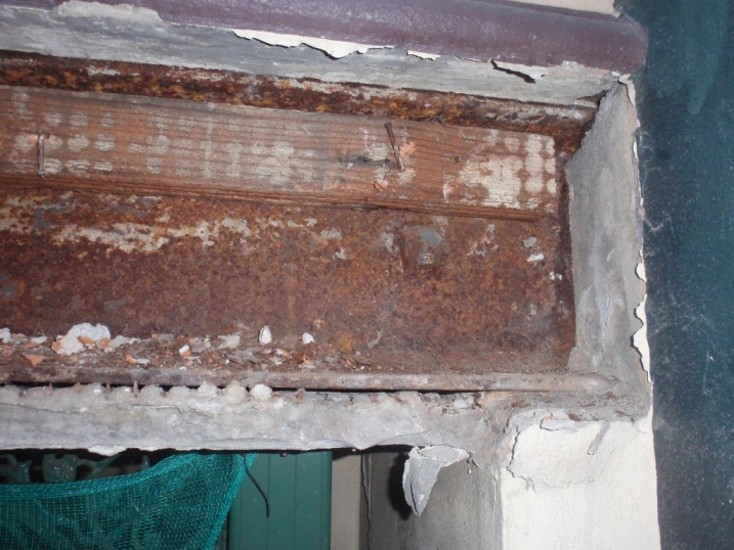
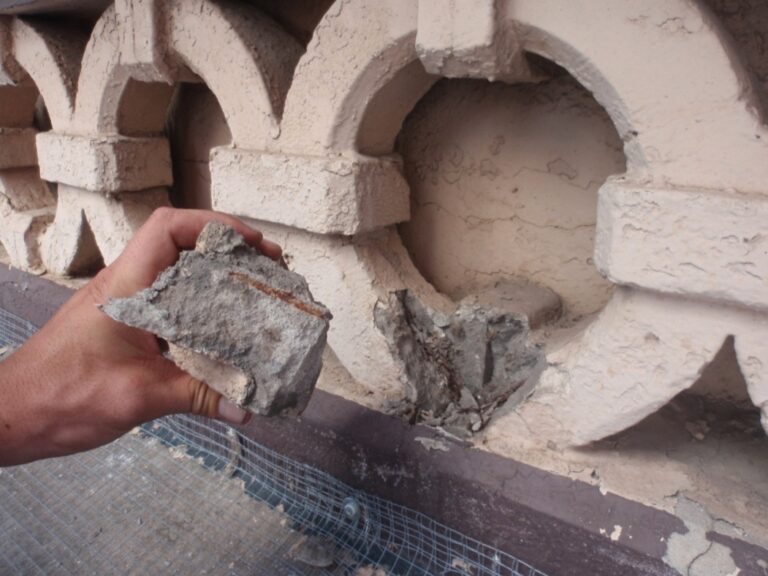
Diagnostech’s detailed investigations revealed that the façade had been poorly refurbished during redevelopment works, including the application of render over lead-based paints and failure to address underlying concrete deterioration. Long-term water ingress had accelerated reinforcement corrosion, leading to cracking, spalling, and weakening of decorative and structural façade elements.
Sydney City Council issued an order requiring immediate make-safe and repair works, reinforcing the urgency and complexity of the project.
Goals
The primary objective was to accurately diagnose and remediate the façade failures to deliver a safe, durable and heritage-sensitive outcome:
- Goal 1: Identify root causes of façade failure following earlier misdiagnosis
- Goal 2: Eliminate safety risks to the public and building occupants
- Goal 3: Deliver durable concrete repairs and protective systems
- Goal 4: Safely remove hazardous lead-based coatings
- Goal 5: Preserve and restore the façade’s heritage significance
Challenges
The project presents several significant challenges.
1.Misdiagnosed Defects
Previous investigations had failed to correctly identify the causes of façade deterioration, resulting in ineffective prior repairs.
Diagnostech was required to re-diagnose the structure and redefine the remediation approach while managing uncertainty in early project stages.
2. Hazardous Materials Management
Lead-based paint concealed beneath the façade render introduced substantial health, safety, and environmental risks. Its removal required strict containment, monitoring, and specialised handling procedures.
3.Live CBD Environment
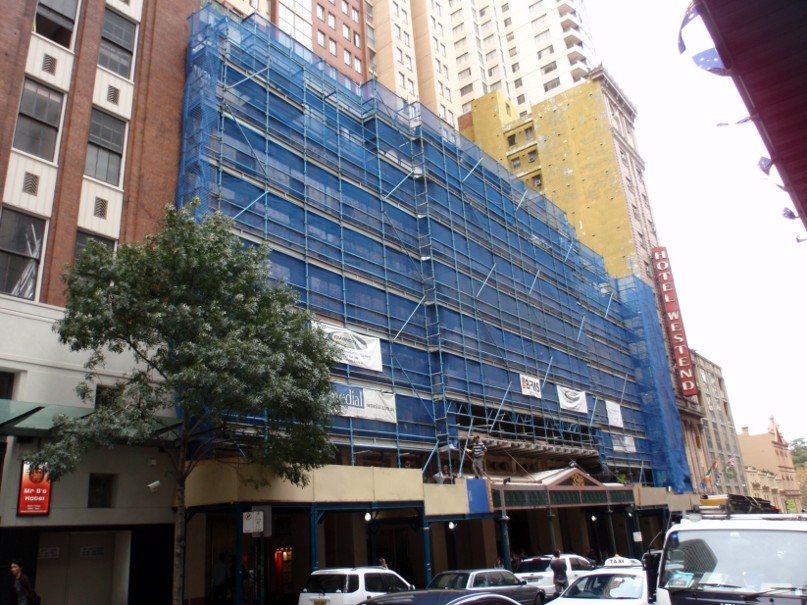
Located on a busy section of Pitt Street, the project required maintaining pedestrian access and protecting building occupants while works were carried out above an active streetscape.
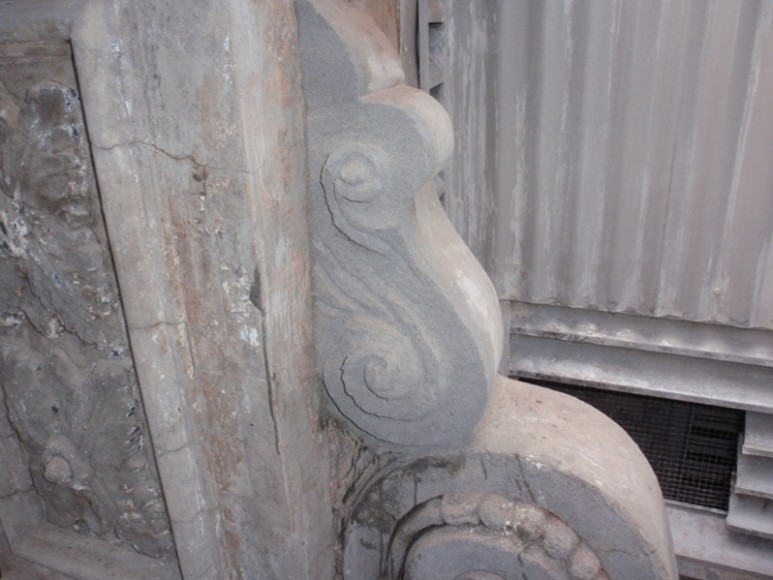
Deteriorated façade elements, including unstable concrete corbels and decorative features, required carefully controlled removal methodologies within a constrained, high-risk environment.
4.Heritage Constraints
All works were required to maintain the building’s heritage significance. Repairs and replacements needed to replicate original detailing while incorporating modern, durable materials.
Significant concealed deterioration was uncovered following removal of render and coatings, including deep concrete spalling and advanced reinforcement corrosion, increasing scope complexity and variability.
Solution
Diagnostech implemented a coordinated remediation strategy addressing investigation, repair, safety, heritage, and cost control:
Re-Diagnosis and Investigation
Detailed investigations identified carbonation-induced corrosion, water ingress, and failures in previous coatings—correcting earlier misdiagnosis and establishing a clear remediation pathway.
Access and Protection Systems
A ‘B’ Class hoarding and engineered access solution enabled safe works above an active streetscape, maintaining pedestrian access and tenant operations throughout.
Targeted Repair Strategy
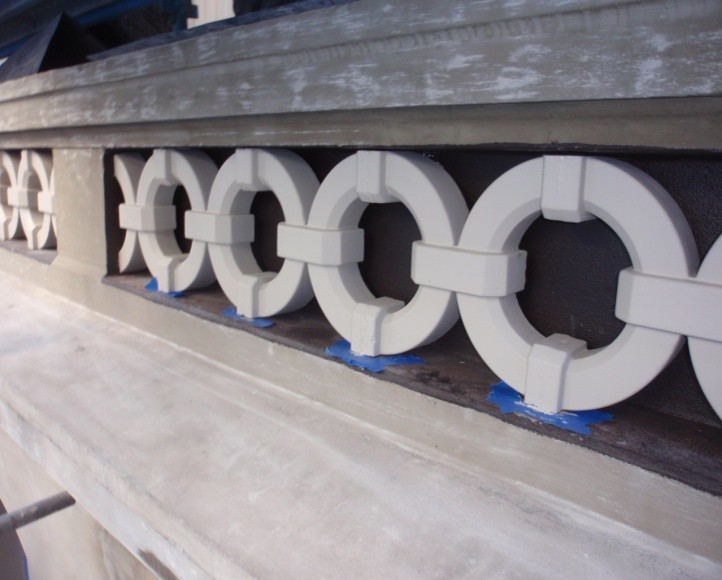
Defective render and coatings were fully removed to expose the original substrate. Concrete repairs were undertaken to columns, beams, slab edges, and corbels, while decorative elements were rebuilt using stainless steel reinforcement and improved detailing for long-term durability.
Heritage Integration
Repairs were designed to replicate original architectural detailing while incorporating modern materials. Close collaboration with Council ensured compliance, including approval of a historically informed colour scheme.
Lead Removal and Environmental Control
Specialist containment, monitoring, and disposal processes were implemented to safely remove lead-based coatings, protecting workers, occupants, and the surrounding environment.
Procurement and Cost Control
A structured tender combining fixed-price elements and schedule-of-rates ensured transparency, enabled accurate comparison of contractors, and maintained control over variable repair quantities.
Results
ACRA Award for Excellence 2012
The project delivered outcomes well beyond immediate safety works, creating long-term value for the client:
Safe and Durable Façade Outcome
Comprehensive concrete repairs, coating systems, and reconstruction works delivered a robust façade solution designed for long-term durability and performance.
Restored Heritage Character
The façade was not only stabilised but carefully restored to reflect its original architectural intent, enhancing both visual quality and historical authenticity.
Public Safety Maintained
All works were completed within a live CBD environment while maintaining continuous pedestrian access and ensuring the safety of the public throughout.
Lead-based materials were safely removed and managed with no adverse impacts on occupants, workers, or the surrounding environment.
Controlled Delivery and Cost Certainty
A structured procurement and cost management approach enabled effective control of repair quantities and budget, despite latent conditions and scope variability.
What began as a reactive make-safe project evolved into a value-adding restoration, improving the building’s street presence and long-term asset value.
Project Highlights:
- Diagnostech successfully re-diagnosed incorrectly identified façade defects, enabling a targeted remediation strategy that addressed the true underlying causes of widespread deterioration
- A large-scale façade remediation was delivered within a live Sydney CBD environment at 398–408 Pitt Street, maintaining continuous public access and building operations throughout construction.
- Hazardous lead-based coatings were removed and managed across the full façade extent using stringent containment, monitoring, and disposal protocols, with no environmental or health impacts.
- Extensive structural and cosmetic repairs were undertaken across multiple façade elements—including columns, beams, slab edges, and prominent decorative corbels—addressing advanced corrosion and long-term water ingress.
- The project was delivered at an approximate value of $700,000, using a structured procurement model that balanced fixed-price components with schedule-of-rates to manage variable repair quantities across a complex scope.
- Completed in June 2011, the works transformed a hazardous and deteriorating façade into a safe, compliant, and revitalised heritage asset, significantly enhancing street presence, durability, and long-term value.