

All Insights
Residential
Diagnostech: Restoring Fire-Damaged Structure at 365 Miller Street
ACRA Award for Excellence 2006 for projects up to $250,000
A severe basement fire at 365 Miller Street, Cammeray, caused extensive structural damage to a concrete floor slab and supporting column beneath an occupied four-storey residential building. The event exposed the structure to extreme heat and explosion forces, resulting in major concrete loss, exposed reinforcement, and compromised structural integrity.
Diagnostech was engaged immediately following the incident to assess structural stability, determine the extent of damage, and develop a remedial strategy that would ensure safety while minimising disruption to residents. Through detailed investigation, innovative design, and coordinated construction planning, the project was successfully delivered with residents remaining in occupation throughout.
Situation
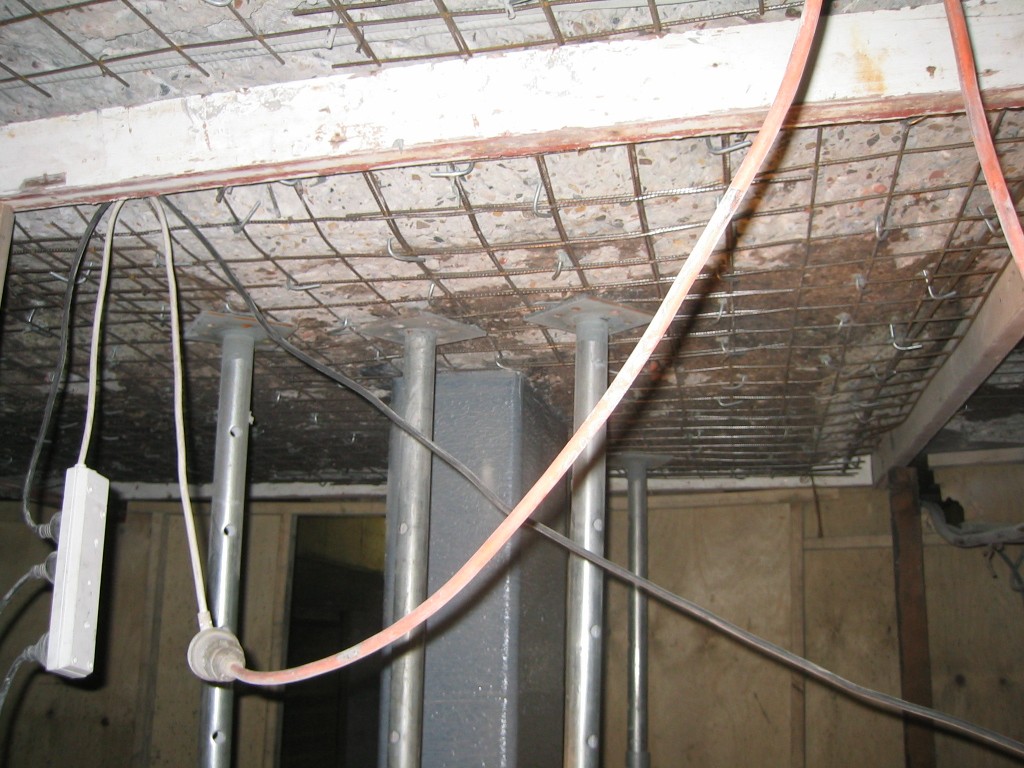
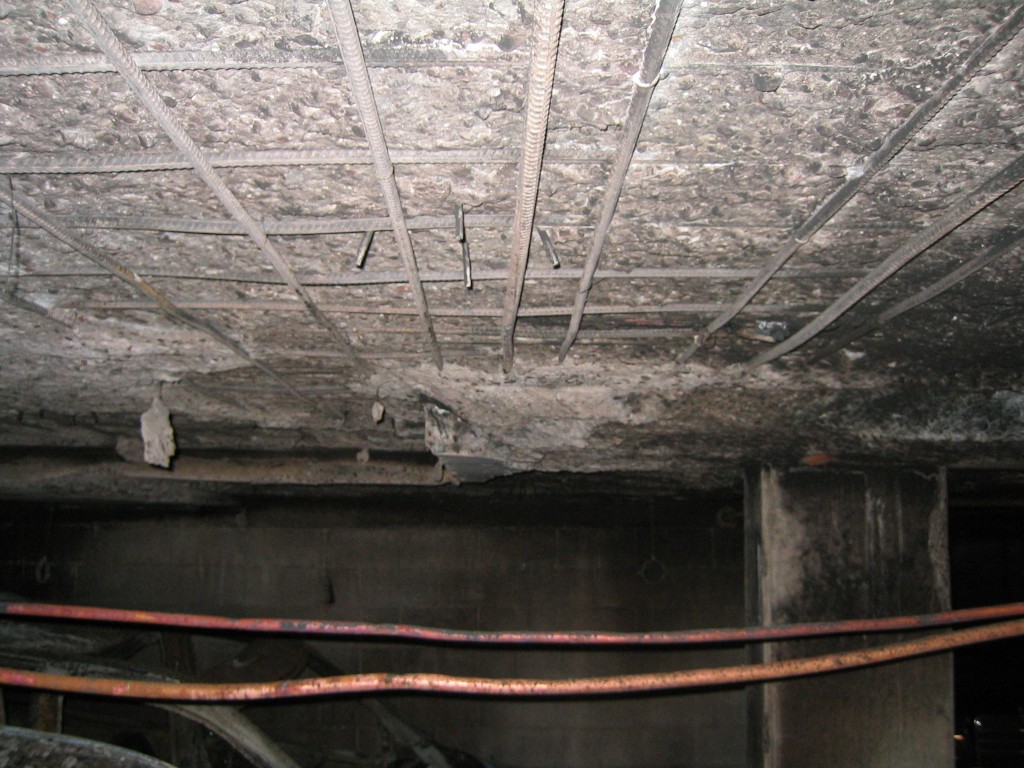
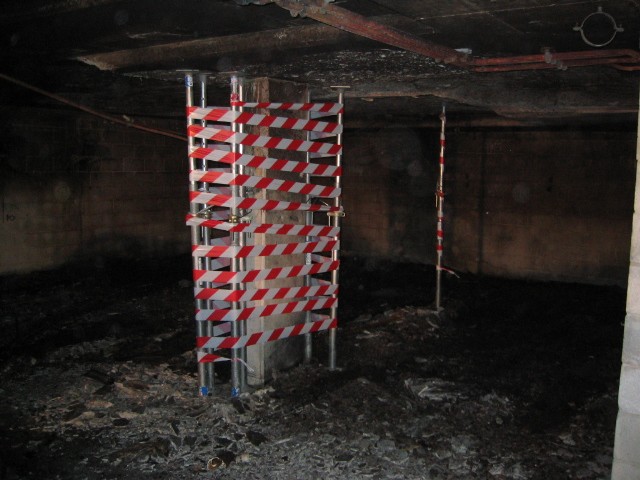
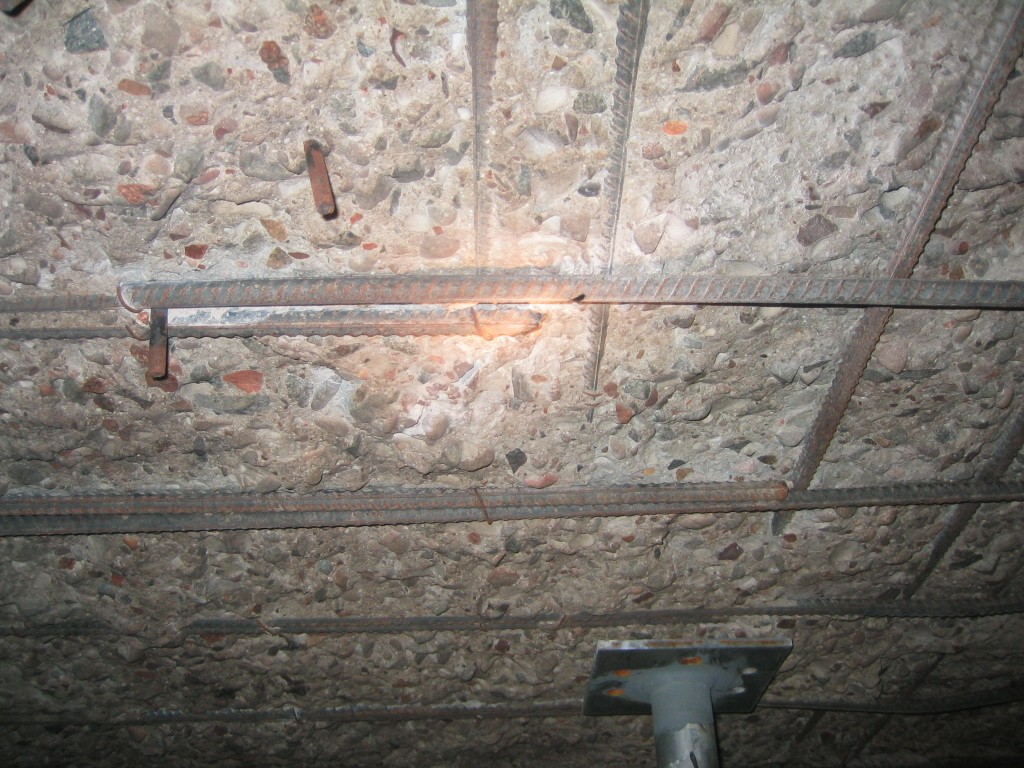
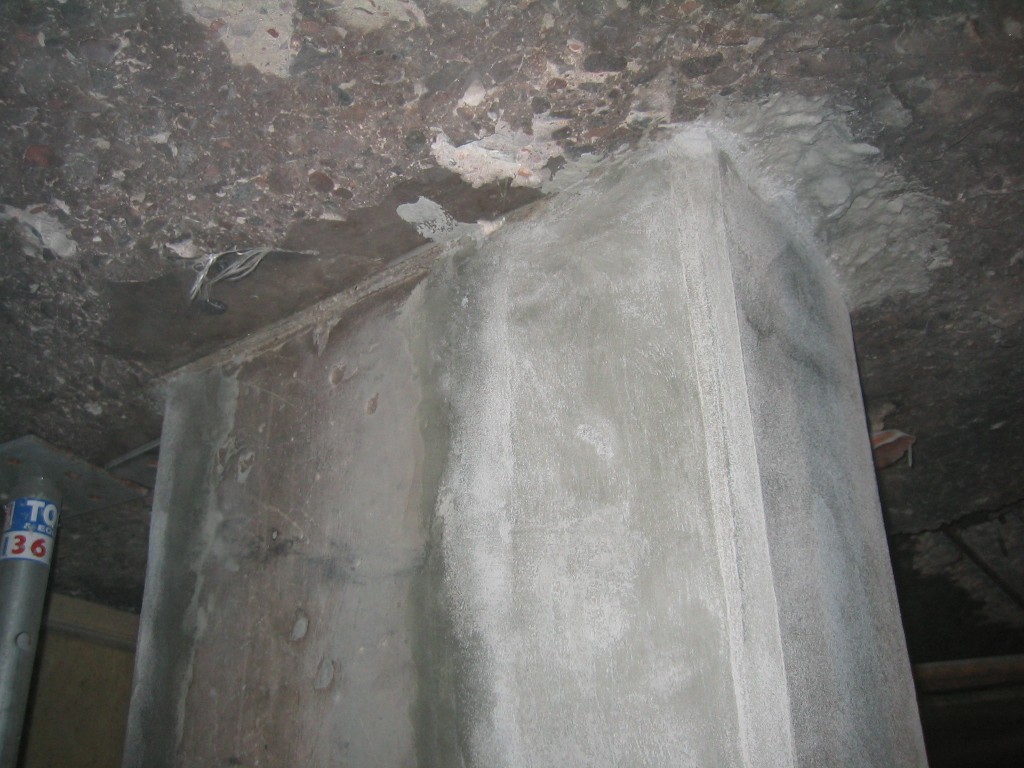
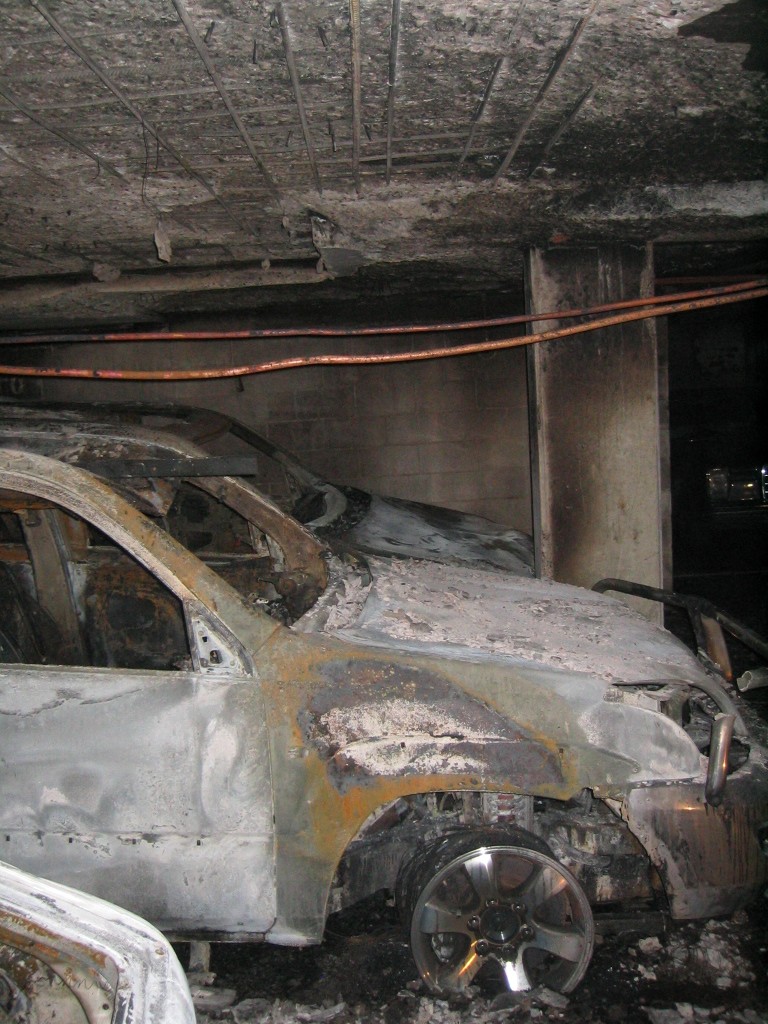
The fire, caused by deliberately ignited vehicles in the basement garage, resulted in significant damage to the soffit of the first-floor slab and supporting column. Approximately 50m² of slab was affected, with sections losing more than 50% of their thickness and reinforcement fully exposed. The column also suffered severe spalling, including loss of the column capital and shear head.
Initial uncertainty centred on whether the slab required full demolition and whether evacuation of residents above would be necessary. Diagnostech’s immediate priority was to stabilise the structure and undertake detailed diagnostic testing to determine residual structural capacity.
The project evolved into a highly specialised concrete repair and structural strengthening exercise, combining advanced testing, targeted demolition, and innovative strengthening techniques to retain and rehabilitate the existing structure.
Goals
The primary objective was to safely restore the structural integrity of the fire-damaged slab and column while maintaining building occupancy:
- Goal 1: Determine the structural stability of fire-damaged concrete and reinforcement
- Goal 2: Avoid full demolition by retaining and repairing viable structural elements
- Goal 3: Design and implement a safe and effective repair strategy under occupied conditions
- Goal 4: Strengthen compromised structural elements to meet long-term performance requirements
- Goal 5: Minimise disruption and ensure resident safety throughout the works
Challenges
The project presents several significant challenges.
1.Severe Structural Damage
The fire caused extensive delamination, spalling, and loss of concrete, with some slab areas reduced to half their original thickness and major structural components of the column compromised.
The loss of the column head and concrete cover required innovative strengthening solutions to address punching shear and potential column instability.
2. Uncertainty of
Residual Capacity
There were concerns that heat exposure may have weakened the tensile strength of the reinforcing steel, raising the risk of structural failure and potential slab replacement.
3. Immediate Safety Risks
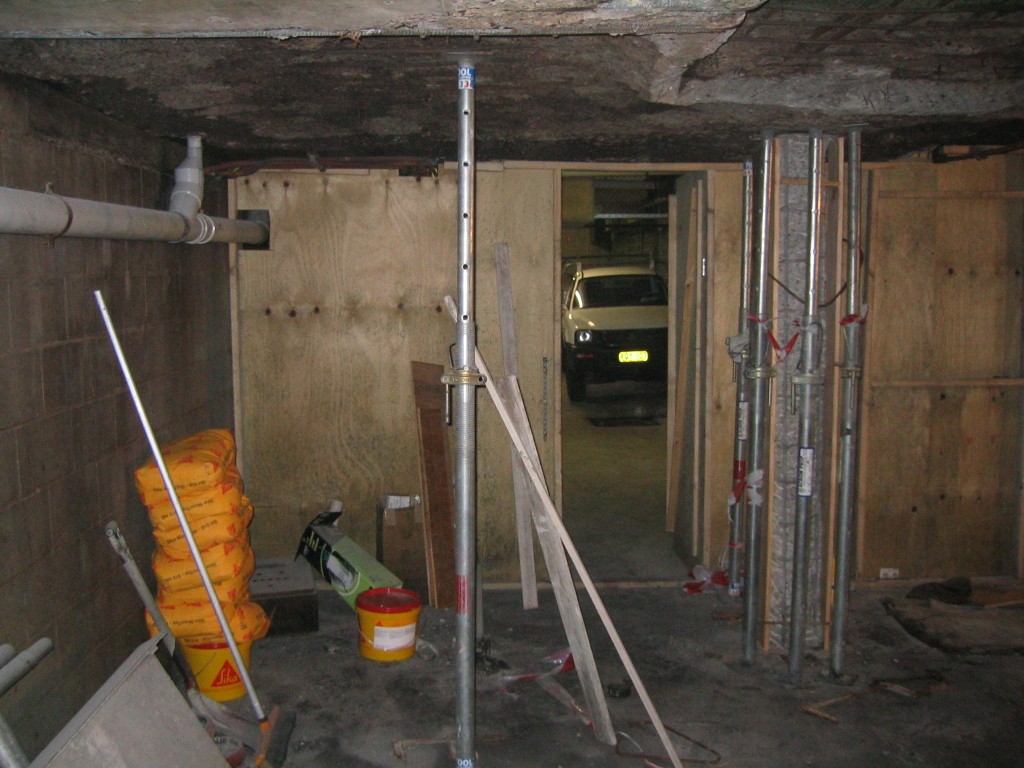
The building required urgent stabilisation through temporary propping in a constrained basement environment, complicated by fire-damaged vehicles and limited access.
4. Occupied Building Constraints
Works needed to be carried out while maintaining occupancy of the residential units above, requiring careful staging, risk management, and minimal disruption.
Solution
Diagnostech implemented a comprehensive solution that effectively addressed all the goals.
Detailed Investigation and Testing
A series of diagnostic tests—including compressive strength testing, delamination assessment, and laboratory testing of reinforcement—confirmed that the existing steel retained adequate tensile strength, allowing the slab to be retained.
Column Repair and Strengthening
A series of diagnostic tests—including compressive strength testing, delamination assessment, and laboratory testing of reinforcement—confirmed that the existing steel retained adequate tensile strength, allowing the slab to be retained.
Temporary Propping and Stabilisation
A carefully designed propping system stabilised the slab during investigation and construction, allowing safe continuation of works without large-scale evacuation.
Supplementary Structural Steel Design
A new steel column head support system was fabricated and installed to provide additional punching shear resistance and long-term structural reliability.
Concrete Repair and Reinstatement
Unsound concrete was removed using hydro-demolition techniques, followed by scour cleaning and installation of supplementary reinforcement. The slab and column head were rebuilt using dry mix concreting to restore structural profile and capacity.
Fire Protection and Finishes
All new structural elements, including steel and carbon fibre, were protected with intumescent fire coatings, ensuring ongoing durability and compliance. The basement area was fully reinstated, including finishes and services.
Results
ACRA Award for Excellence 2006 for projects up to $250,000
The project delivered outcomes well beyond defect rectification, creating lasting value for owners and residents alike:
Structural Integrity Restored Without Demolition
The project successfully avoided full slab replacement, retaining and rehabilitating the existing structure while restoring full structural performance.
Building Remained Occupied
Through careful planning and execution, residents were able to remain in place for the majority of the works, significantly reducing disruption and associated costs.
Innovative and Durable Engineering Outcome
The integration of modern repair techniques, carbon fibre strengthening, and structural steel support delivered a robust and future-ready solution.
Efficient, Collaborative Delivery
The project demonstrated strong collaboration between consultant, contractor, and strata management, achieving a safe and efficient outcome under challenging conditions.
Project Highlights:
- Rapid structural assessment and stabilisation following a severe fire event
- Retention of existing slab through detailed testing and engineering analysis
- Extensive concrete repair using hydro-demolition and shotcreting techniques
- Structural strengthening using carbon fibre wrapping and new steel support systems
- Delivery of complex works within an occupied residential building
- Successful restoration of a critically damaged structure without full demolition